

Boat Flooring Temporary Protection Guide for Shipyards
Installing boat flooring is not always the last activity on a vessel. Electrical work, hardware fitting, cleaning, owner visits, punch-list items, and other trades may still need access to the same deck. The period between installation and handover therefore needs its own plan. Without one, a newly completed surface can be treated as a convenient work platform, and later teams may not know who is responsible for checking it again.
This guide is for shipyards that need a practical control point after flooring is installed and before the boat is handed over. It does not prescribe a universal cover, tape, cleaning product, weight limit, or storage time. Those choices must be assessed by the responsible project team using the actual flooring, adhesive, work environment, and supplier instructions. The aim is to make access, protection, exceptions, and final removal visible rather than assumed.
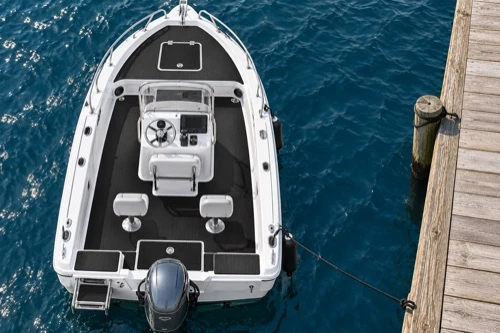
Establish the Post-Installation Baseline First
Protection should begin with a record of what was accepted immediately after installation. That does not need to be elaborate, but it should identify the boat or project, the deck areas included, the date, the current drawing or job reference, and the person who checked the completed work. If a mark, open edge question, or unfinished adjacent area already exists, record it before another trade enters the space.
The installation QC guide is useful for the earlier installation checkpoint. Temporary protection is different: it starts after that work has been reviewed and focuses on preserving the known condition while the vessel remains active. Do not use a protection sheet to hide an unresolved installation concern. Route that concern for review first.
Take a simple baseline photo set if the project process permits it: wide views of each included deck area and close views of hatches, edges, steps, and other locations likely to receive later traffic. The purpose is comparison, not marketing. The installation photo checklist gives a practical structure for documenting those stages.
Define Exactly Which Areas Are Protected
Avoid a vague note such as "deck covered." Identify the locations: bow platform, cockpit, stern step, console surround, hatch covers, or another site-specific zone. A protection plan should also state whether adjacent unfinished areas are excluded, whether access routes cross the flooring, and whether the protection is intended for a short task, an extended work sequence, or owner viewing.
This distinction matters because access patterns change. A crew may need a narrow route to install hardware while the rest of the cockpit remains closed. A later trade may need access only to a hatch. If the plan names the area and purpose, the team can choose a controlled route instead of treating the whole deck as open workspace.
Use a visual marker or project note that the responsible crew can understand. The plan should not imply that all traffic is safe or that a covering eliminates risk. It simply tells people where the completed flooring is, what is restricted, and who to contact before moving equipment or beginning work nearby.
Coordinate Later Trades Before They Step On the Deck
The key question is not whether later work is important; it is whether the project team has agreed how that work will be performed around the flooring. Before a later trade begins, ask what task is planned, which area must be reached, what will be carried or placed there, how long the task may take, and whether the route crosses a protected zone.
Record any special concern in plain language. For example, a note can say that a console fitting is scheduled above the cockpit area and requires a pre-task access review. It should not claim that a particular cover protects against every tool, fluid, impact, or environmental condition. If a task cannot proceed without creating an unresolved risk, pause it and route the decision to the responsible project lead.
This is also a useful place to separate physical protection from housekeeping. A clean route, controlled tools, and an agreed staging area may matter as much as whatever temporary layer the yard selects. The plan should describe the behavior expected around the deck, not merely name a product.
Choose Site-Approved Protection Without Guessing Compatibility
Shipyards may use different temporary materials depending on their internal process and the work at hand. Do not assume that a material, adhesive tape, film, mat, or cleaning method is compatible with every flooring surface or installation condition. Check the project instructions and consult the appropriate responsible party when compatibility is uncertain.
The protection record can stay neutral: note the material or method selected by the yard, the area covered, the date placed, and any condition that requires follow-up. If spare flooring or protection materials need to be held aside, the storage and handling guide provides related context. It does not replace a project-specific compatibility decision.
Avoid applying a solution simply because it worked on another boat. Surface texture, adhesive condition, work duration, weather exposure, and the surrounding construction activity can all change the question. A clear escalation note is more valuable than an unsupported assurance.
Keep Exceptions and Incidents Traceable
Some access events will not follow the original plan. A hatch may need reopening, a trade may require a route that was not anticipated, or the project team may find a mark during a check. When that happens, add a brief exception record rather than relying on verbal handoff.
Include the date, area, activity, person or team involved, what was observed, and the next action. The next action might be "inspect after work," "request layout clarification," or "hold for project lead review." It does not need to assign fault or promise a remedy before the facts are known.
The same approach applies to protection removal. Record who removed it, when, which areas were checked, and whether anything needs a follow-up inspection. This is especially useful when installation, construction, and handover are handled by different people on different days.
Remove Protection Before the Final Inspection
Temporary protection should not become the final condition of the project by accident. Plan a removal point before handover, then inspect the actual flooring beneath it. Confirm that the relevant areas, edges, hatches, and transitions are visible to the person performing the final check. If an issue is found, document it and route it before the project is represented as complete.
The shipyard handover checklist is the right next step once the protection interval has ended. It covers the broader completion record. This protection guide fills the gap before that moment, while the risk is not installation quality alone but uncoordinated work on a newly completed deck.
Dry-fit choices should already have been addressed before final placement. Where a question goes back to fit, panel boundaries, or an access opening, return to the relevant project input rather than making a last-minute change under the protection layer. The dry-fit checklist for shipyards can help the team identify which issues belong to that earlier stage.
A Practical Handoff to XYF Marine
When a shipyard contacts XYF Marine about newly installed boat flooring, the most useful handoff is the project reference, deck areas involved, installation baseline photos if available, planned remaining work, the protection method the yard is considering, any access exceptions, and the specific question that needs review. XYF Marine can review the information provided and identify details that still need confirmation before quotation, sampling, or order preparation.
FAQ
Is temporary protection part of installation QC?
It follows installation QC but serves a different purpose. QC checks the completed installation at that point in time; temporary protection controls how later work and access are managed before handover.
Can a shipyard use any cover material over new flooring?
Do not assume so. Compatibility depends on the flooring, adhesive, environment, duration, and the yard's chosen process. Use the responsible team's project-specific guidance when selecting or applying protection.
What should be recorded if another trade needs deck access?
Record the task, the deck area, the access route, any materials or equipment involved, the expected duration, the responsible team, and the required follow-up check. Keep the note factual and route unresolved risk for review.
When should temporary protection be removed?
Remove it before the final inspection and handover check so the actual flooring, edges, hatches, and transitions can be reviewed. Document the result and any follow-up needed.