

Marine Deck Handover Checklist for Shipyard Flooring Projects
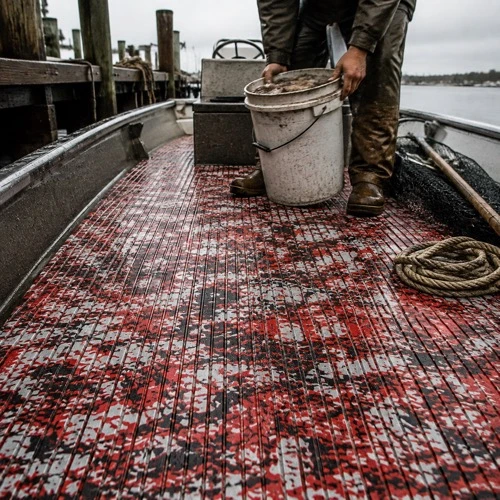
For shipyards, marine deck flooring is usually not the last physical task on a boat. It sits between many other trades: console work, wiring, hardware, upholstery, cleaning, sea trial preparation, packing, and customer delivery. That is why a finished-looking deck can still become a handover problem if nobody records what was approved, what was changed, what still needs correction, and what the next team should avoid.
A marine deck handover checklist helps the yard close that gap. It is not a sales brochure and it is not a substitute for the supplier's technical instructions. It is a practical record for project managers, installation teams, procurement staff, dealers, and after-sales teams who need one clear view of the flooring scope before the boat leaves the yard or moves to the next production stage.
This guide gives shipyards a structured way to review EVA boat flooring work at handover without inventing specifications or making assumptions. Use it to organize the final walk-through, separate cosmetic issues from scope issues, and create a cleaner file for supplier follow-up when needed.
Start With The Approved Flooring Scope
The handover review should begin with the approved scope, not with opinions from the last person who saw the boat. Pull together the current drawing, template record, color or texture approval, backing choice, panel list, and any change-order notes before the walk-through starts.
At minimum, the handover file should answer five questions:
- Which deck zones were included in the order?
- Which zones were excluded or left for a later phase?
- Which drawing or template version was approved for cutting?
- Which color, texture, groove direction, and edge style were approved?
- Which installation responsibility belongs to the yard, dealer, installer, or end customer?
If the answer is unclear, mark it as a scope question rather than a defect. A missing cockpit panel and a damaged cockpit panel are different problems. Treating both as "bad flooring" wastes time and makes supplier communication weaker.
Walk The Boat By Zones
Shipyard teams should inspect the deck by zone instead of walking randomly around the boat. A zone-based review makes it easier to identify missing items, repeat problems, and areas that may have been affected by other trades.
Common zones include the cockpit, helm, bow, stern platform, swim platform, cabin step, storage lids, casting deck, side walkways, and removable hatches. The exact list depends on the project, but the logic stays the same: every approved zone should be checked, photographed, and either accepted, held, or assigned for correction.
For each zone, record the zone name, panel count, visible alignment, visible edge condition, surface cleanliness, attachment condition if visible, and any nearby hardware that could affect the flooring. Do not rely only on close-up photos. Include wider photos that show where the panel sits on the boat, then add close-ups for details.
Check Fit Without Rewriting The Design
Final handover is not the right time to reopen every design preference. The review should compare the finished flooring against the approved scope and the practical fit of the boat, not against a new idea that appears during delivery week.
Look for visible fit items such as:
- Gaps that are wider than the approved or expected finish standard.
- Edges that interfere with hinges, drains, hardware, seat bases, lockers, or removable lids.
- Panels that look rotated, reversed, or assigned to the wrong zone.
- Grain, stripe, groove, or pattern direction that conflicts with the approved layout.
- Corners or narrow strips that may lift because they were placed across a difficult edge or contour.
When something looks wrong, record the condition in plain language. "Aft hatch panel touches hinge at left corner" is more useful than "bad fit." It tells the responsible team where to look and helps a supplier understand whether the issue relates to drawing, cutting, installation, or a later change on the boat.
Separate Cosmetic Marks From Functional Holds
Not every visible mark should stop handover, and not every small-looking issue should be ignored. A useful handover checklist separates cosmetic notes from functional holds.
Cosmetic notes may include dust, adhesive smudges, packaging marks, mild surface contamination, or a small area that needs final cleaning. These should be logged, cleaned, and rechecked before delivery.
Functional holds are different. They may include loose edges, incorrect zone placement, drainage interference, hatch interference, panel movement, missing pieces, mismatched approved scope, or damage that may worsen during use. These should be assigned to a responsible person before the project is released.
The key is not to overstate the problem. Handover records should describe what is visible and what action is required. Avoid unsupported statements about material failure, adhesive failure, UV performance, or warranty status unless the supplier has reviewed the evidence and confirmed that conclusion.
Photograph The Deck For Handover Evidence
Good handover photos are boring, consistent, and extremely useful. They protect the shipyard when a later complaint is actually shipping damage, storage damage, installation damage, cleaning damage, or an unrecorded scope change.
Build a simple photo set for each project:
- Overall boat photos that show the project and deck zones.
- Zone photos taken from a consistent angle.
- Close-ups of edges, corners, seams, lids, and high-contact areas.
- Photos of any hold item before correction.
- Photos after correction, using the same angle where possible.
- Photos of packaged spare pieces, templates, labels, or retained samples when applicable.
Avoid editing photos in a way that hides context. A cropped close-up may show a scratch, but it may not show whether that scratch is on the supplied material, an installed panel, a removable hatch, or a nearby surface.
Record Installation And Handling Notes
The handover file should include basic handling notes from the installation team. These notes are not a replacement for the supplier's official instructions, but they help the next team understand what happened on the boat.
Useful notes include surface condition before installation, whether hardware was removed or worked around, whether panels were dry-fitted, whether any zones were delayed for later installation, and whether other trades worked over the deck after installation. If a yard uses an outside installer, record who completed the work and when the yard accepted it.
Also note any restrictions for the next team. For example, the deck may need protection while other trades finish their work. Heavy parts, sharp tools, uncapped chemicals, dirty shoes, fuel residue, and metal shavings can create problems that look like product defects later. A simple "flooring protected until final clean" step can prevent a messy dispute.
Include Care Notes In The Delivery Packet
A handover checklist should not stop at inspection. It should transfer care responsibility to the next person in the chain, whether that is a dealer, service department, fleet operator, or boat owner.
The delivery packet should include the approved flooring scope, care and cleaning notes supplied by the seller or supplier, any known exclusions, spare-piece information if relevant, and a contact route for support questions. If the shipyard is not the final seller, this packet helps the dealer answer basic questions without guessing.
Keep the language factual. Do not promise stain removal, service life, slip performance, chemical resistance, or warranty outcomes unless those points are stated in the supplier's current written materials. A practical checklist can say "confirm approved cleaning method before delivery." It should not invent a performance claim.
Create A Supplier-Ready Exception File
If the yard needs supplier support, the best handover record is one that can be forwarded without rewriting the story. A supplier-ready exception file should include the order reference, approved scope, drawing or template version, affected zone, photo set, description of the visible condition, date found, handling history, and requested next step.
The requested next step matters. Are you asking the supplier to confirm whether a replacement piece is needed? Review a drawing mismatch? Check whether a color or texture matches the approved sample? Advise on cleaning? Quote an additional panel? Each path needs different information.
XYF Marine can review a project brief more efficiently when the buyer provides the approved scope, photos, zone names, and open questions in one file. The same discipline also helps the shipyard internally, because purchasing, production, and after-sales teams can see the same facts.
What To Put In A Marine Deck Handover Checklist
A concise checklist is usually easier to use than a long report. Shipyards can adapt the following fields:
- Project or hull reference.
- Boat model or internal project name.
- Approved flooring scope and excluded zones.
- Drawing, template, or cut-file version.
- Approved color, texture, groove direction, backing, and edge style.
- Installed zones reviewed by name.
- Missing or held zones.
- Visible fit notes.
- Visible surface notes.
- Edge, corner, hatch, drain, and hardware notes.
- Cleaning or protection still required.
- Photos captured and stored.
- Care notes transferred.
- Exceptions sent to supplier, if needed.
- Final acceptance owner and date.
The checklist should be short enough for the site team to use, but specific enough for the office team to understand. If it becomes a form nobody completes, it will not protect the project.
FAQ
Is Handover The Same As Installation QC?
No. Installation QC checks whether the work was prepared and installed correctly during the job. Handover confirms whether the finished scope is accepted, documented, protected, and transferred to the next team.
Should Every Small Mark Become A Supplier Claim?
No. First identify whether the mark is cleaning residue, handling damage, installation damage, packaging damage, a scope mismatch, or a possible material issue. Only escalate with a clear record and photos.
Should The Shipyard Include Cleaning Instructions?
Yes, but only from current supplier or seller materials. Do not invent cleaning chemicals, performance limits, or warranty statements during handover.
What If The Customer Requests A Late Change?
Treat it as a change order, not a handover defect. Record what changed, who approved it, and whether new drawings, samples, pricing, or lead-time confirmation are required.
Work With XYF Marine
For shipyard flooring projects, send XYF Marine the approved deck scope, drawing or template status, material preferences, zone photos, and any open handover questions. A clean project file helps both sides separate acceptance items, change requests, and supplier-support questions before the boat moves to the next stage.