

Boat Flooring Sample Board Labeling Guide for Marine Distributors
Marine distributors often use physical sample boards to help dealers, installers, and buyers compare boat flooring colors and textures before a quote is finalized. The board may look simple, but it quietly carries a lot of commercial risk. If the sample has only a color nickname, a dealer may quote the wrong surface, confuse two similar tones, miss a backing requirement, or reorder from an old version after the assortment has changed.
This guide explains how marine distributors can label boat flooring sample boards in a way that supports cleaner dealer conversations, more accurate quotes, and easier repeat orders. It does not invent technical specifications or replace a distributor's own product record. It gives teams a practical structure for deciding what belongs on the board, what belongs in the dealer sheet, and how to keep old samples from creating new mistakes.
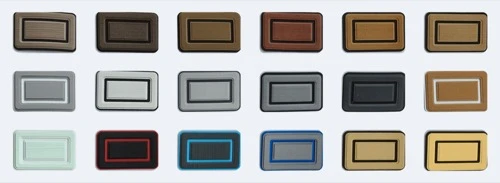
Why Sample Board Labels Need More Than Color Names
A color name is useful for conversation, but it is rarely enough for quoting. Marine flooring samples can differ by surface texture, groove style, color combination, sheet format, backing status, edge treatment, and revision. If the board only says "gray black" or "teak brown," the dealer still has to guess which commercial record matches the sample in front of the customer.
That guessing becomes expensive when multiple people touch the order. A retail counter may photograph the sample, a sales rep may write a quote, a warehouse team may check inventory, and a supplier may review the same request later. If each person describes the sample differently, the distributor loses the link between the physical board and the quote record.
The label should act like a bridge. It should be short enough to fit on the board, but specific enough to connect the sample with the distributor's internal SKU, approved quote name, and current product record.
Define What the Board Must Help Dealers Decide
Before writing labels, decide what the sample board is supposed to do. Some boards help dealers compare colors. Others show surface texture, groove direction, edge style, adhesive backing, or a limited accessory range. A label system should follow the board's job instead of trying to turn every small sample into a full technical data sheet.
For a simple color board, the label may need a display name, internal sample code, pattern or texture family, and revision date. For a dealer quote board, it may also need a supplier reference, order format, backing note, and a reminder to verify the current quote record before committing to the buyer. For a training board, the label may point dealers to a longer guide or QR-linked document.
Keep the buyer in mind. The end customer may care about appearance and feel, while the dealer needs enough information to quote correctly. The label should serve both groups without overloading the board.
Core Fields to Put on a Boat Flooring Sample Board
A practical boat flooring sample board label usually needs a few stable fields. The exact names can vary, but the logic should stay consistent across the distributor's assortment.
Use a sample ID that never depends on a sales nickname. Add the customer-facing color or pattern name only after the ID, so the label can still be matched if the display name changes. Include the texture or pattern family if the same color appears in more than one surface. If backing is part of the buying decision, state the backing status as a controlled field rather than a casual note.
Add a revision or approval date when the sample is tied to a current assortment. If the board is for visual reference only, say so. If the sample is not enough to confirm fit, adhesive performance, or final production approval, avoid language that implies it can settle those decisions alone.
The goal is not to make the label long. The goal is to prevent the dealer from using a beautiful sample with an incomplete identity.
Separate the Visible Label From the Dealer Record
The board label should stay readable. Put the short identity fields on the board and move longer instructions to a dealer record, catalog page, or quote sheet. This keeps the sample clean while still giving the sales team the context they need.
The dealer record can include approved quote wording, related SKU, format options, packaging notes, photo reference, sample issue date, and escalation instructions. It can also explain what the sample does not confirm. For example, a small color chip can help compare appearance, but it may not answer questions about final layout, cut files, installation surface, or a custom kit boundary.
This separation makes updates easier. If a product note changes, the distributor can revise the dealer record without reprinting every physical sample label immediately. If the physical board changes, the board revision should still point to the right record.
Connect Sample Labels to SKU and Quote Records
Sample labels should not live in isolation. Every label should map to the distributor's SKU naming system, quote template, and sales notes. When a dealer sends a photo of a sample board, the inside team should know which record to open without guessing.
Use the sample ID as the common reference across the board, dealer sheet, internal SKU table, product photo folder, and quotation template. If the distributor uses different codes for samples and sellable items, make the relationship explicit. A sample can represent a family of options, but the quote should still identify the exact sellable item or project scope.
This is where many distributor mistakes begin. A sample board may be reused for a new line, a color name may be refreshed, or a supplier reference may change. Without mapping, dealers may keep quoting the old version because the physical sample still looks familiar.
Use Revision Control for Physical Samples
Physical samples age, get misplaced, and remain in dealer offices long after a program changes. That is why sample board labels need revision control. A small revision code or date can prevent a dealer from treating an old board as current.
Set simple rules for when a sample board must be revised. Typical triggers include a new color reference, surface texture change, backing change, assortment update, packaging change, quote-name change, or a supplier record update. Do not rely on memory to decide whether a board is current. Keep a list of active sample IDs and retired sample IDs.
When retiring a sample, tell dealers what to do with the old board. They may need to remove it from display, mark it as reference only, or request an updated sample set. If old samples are left in circulation without a retirement note, they can keep generating quote errors.
Prevent Common Dealer Quote Mistakes
A good sample label prevents a few predictable mistakes. It stops dealers from quoting by color nickname alone. It helps them distinguish similar gray, black, brown, or faux teak options. It keeps texture and color from being mixed together as one vague description. It reminds the team to verify backing and format before confirming price or lead time.
The label should also reduce photo-based confusion. Dealers often send quick phone photos of sample boards. If the label includes a clear sample ID, the distributor can identify the item even when lighting changes the apparent color. This is especially useful when the sample board is used at boat shows, counters, service yards, or mobile sales visits.
Avoid using label space for unsupported claims. Do not add promises about service life, universal compatibility, certifications, or chemical resistance unless those claims are documented for that exact item. A sample board is a decision aid, not a substitute for an approved specification.
Review Labels Before Dealer Rollout
Before sending sample boards into the dealer network, review the label system with the people who will use it. Sales, purchasing, warehouse, and support teams should all be able to read the label and identify the matching record. If only the product manager understands the code, the system is not ready.
Run a short test. Hand a sample board to a dealer or sales rep and ask what they would quote, what information is missing, and what they would send back to the distributor. If they cannot find the current item, the label needs work. If they overpromise based on the sample, the supporting dealer sheet needs clearer boundaries.
This review is easier before labels are printed or boards are shipped. Once sample sets are distributed, every correction becomes slower because the physical object is already in the field.
Where XYF Marine Fits Into the Discussion
When discussing marine flooring sample boards with XYF Marine, share the intended dealer channel, sample-board purpose, visible label fields, internal SKU logic, and any existing quote or catalog naming rules. If the board must align with a distributor's current product database, include that structure early.
XYF Marine can review the information you provide for a sourcing or sample-board discussion, but the distributor should approve final label wording against its own quote process, dealer training, and product records. The sample board should help the sales channel make better decisions; it should not create claims or order details that the distributor cannot support.
Related Reading for Distributor Sample Programs
If your team is still deciding what the sample set should prove, start with the EVA Marine Deck Sample Kit Guide. It helps separate color, texture, backing, and approval questions before the label system is written.
For physical display planning, pair this article with the Marine Deck Dealer Display Kit Guide. Display kits and sample boards work best when the visual layout, label fields, and dealer script support the same buying decision.
For record governance, use the Boat Flooring SKU Naming Guide to connect sample labels with sellable SKUs. The Boat Flooring Product Photography Guide can help keep catalog images consistent with physical samples, and the Marine Deck Dealer Training Guide can help teams teach dealers how to use the board during customer conversations.
FAQ
Should every sample board use the same label format?
Use the same core logic, but adjust the fields to the board's purpose. A color comparison board, dealer quote board, and training board may need different levels of detail.
Is a supplier code enough for dealer sample labels?
Usually no. A supplier code may help purchasing, but dealers also need a customer-facing name, quote reference, revision status, and instructions for checking the current record.
When should an old sample board be retired?
Retire or relabel it when the color reference, texture, backing, assortment, quote name, or product record changes enough that the old board could cause a quoting or reorder mistake.