

EVA Foam Wet-Area Mat Specification Guide for Pool and Spa Manufacturers
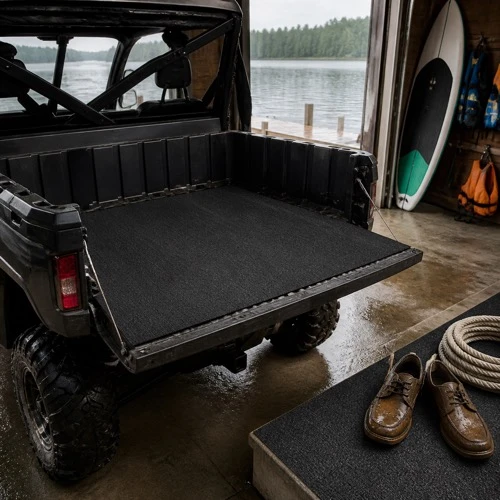
Pool and spa products often include more than the shell, pump, heater, cover, and hardware. Buyers also care about the surfaces people step on before and after entering the water. A wet step, equipment access zone, changing platform, dockside storage area, or retail accessory kit can create complaints if the mat feels unstable, holds water, stains easily, curls at the edge, or arrives without clear installation guidance.
For pool and spa manufacturers, EVA foam wet-area mats should be treated as a specification project, not a decorative add-on. The right order should define where the mat will be used, how wet the area becomes, what surface it contacts, how it will be cleaned, how it will be packed, and what evidence is needed before approval.
This guide explains what B2B buyers should confirm before sampling or sourcing EVA foam wet-area mats from XYF Marine or any other supplier.
Start With the Real Wet-Area Use Case
The first question is not color. It is where the mat will actually work.
A spa step pad, pool access mat, changing-area panel, equipment service mat, and lakeside utility mat face different conditions. Some areas receive bare feet and light water. Others see shoes, sand, sunscreen, cleaning chemicals, carts, tools, hoses, and standing moisture. If one mat specification is expected to cover every zone, the project should define the highest-risk location first.
Useful application details include:
- Indoor or outdoor use.
- Barefoot, shoe, or mixed traffic.
- Flat floor, step, platform, hatch, or equipment zone.
- Smooth, textured, painted, fiberglass, composite, metal, concrete, or plastic substrate.
- Drainage conditions after water exposure.
- Cleaning method used by dealers, installers, or end users.
- Whether the mat will be sold installed, packed as an accessory, or included in a kit.
The supplier cannot give practical advice from a product name alone. A short use-case brief prevents the order from becoming a generic foam sheet purchase.
Define Surface Texture by Function
Wet-area mats need a surface that matches both traction expectations and cleaning reality. A strong texture can feel secure under foot, but it may hold more dirt. A smoother texture can be easier to wipe down, but buyers should test it in wet conditions before approving a program.
For pool and spa manufacturers, texture decisions should consider:
- Wet bare-foot comfort.
- Grip with shoes or sandals.
- Water movement across the surface.
- Dirt, sand, sunscreen, and leaf residue.
- Cleaning tools used by service teams.
- Visual fit with the spa, pool surround, or accessory line.
Do not approve a texture from a render or catalog image only. Request physical samples and test them with water, bare feet, shoes, and the cleaning method expected in the market.
Check Thickness, Feel, and Compression
Wet-area EVA foam mats are often chosen because they feel softer than hard flooring. Comfort matters, especially around changing zones, service platforms, steps, and water-entry areas. However, a mat that feels soft in a sample can still be wrong for the final program if it compresses too much under repeated traffic or equipment.
Buyers should ask for the same thickness, texture, backing, and color planned for production. If the mat will sit under a portable step, cart, storage bin, or service item, test the loaded area instead of only touching a small hand sample.
The goal is not to choose the thickest mat. The goal is to balance comfort, edge stability, cutting detail, packing method, and expected use.
Match the Backing to the Installation Model
Some wet-area mats are loose-laid. Others are adhesive-backed, mechanically retained, or placed inside a tray, frame, step recess, or accessory pack. Each model changes the risk.
Loose-laid mats need attention to edge behavior, movement, underside grip, and trip hazards. Adhesive-backed mats need attention to substrate type, surface preparation, storage, liner handling, and installation temperature. Mats packed as accessories need instructions that prevent customers from applying them to dirty, wet, waxed, unstable, or incompatible surfaces.
Before sampling, decide whether the mat will be:
- Installed by the manufacturer.
- Installed by a dealer.
- Installed by a repair or service team.
- Sold to the end user as an accessory.
- Used as a removable protective mat.
This decision affects the specification, packaging, labeling, and claim process.
Plan Drainage, Edges, and Panel Shape
Wet-area products fail at edges before they fail in the center. Corners can curl, narrow strips can move, water can sit at a seam, and users can catch an edge with shoes or equipment.
For pool and spa programs, review the shape before production. Avoid narrow parts that cannot stay flat. Place seams where they are easier to clean and less likely to be kicked. If the mat sits on a step or raised platform, check how the edge will be seen and touched. If a logo, groove, or directional texture is included, confirm its orientation on every panel.
If the product will be cut into several parts, require clear part labels. Dealers and installers should not guess which panel belongs to which area.
Build a Sample Approval Process
Samples are not just marketing pieces. They should answer practical questions before the purchase order.
A useful sample approval process checks:
- Color in real indoor and outdoor lighting.
- Surface feel when dry and wet.
- Cleaning response after common dirt exposure.
- Backing behavior during handling.
- Edge flatness after packing and unpacking.
- Fit if the mat is cut for a specific step, platform, or product.
- Label clarity if the mat is one part of a kit.
Keep the approved sample as a reference. If the bulk order changes color, thickness, backing, texture, or cutting pattern, record the change and review a new sample when the risk justifies it.
Specify Cleaning and Care Guidance
Many complaints come from unclear care instructions. A wet-area mat may be damaged by harsh solvents, abrasive tools, pressure washing too close to the surface, trapped dirt, or poor storage before installation. The buyer should decide what the dealer or end user will be told before the first shipment leaves the supplier.
Practical care guidance should cover:
- Normal cleaning method.
- Substances and tools to avoid.
- Drying and ventilation expectations.
- Storage before installation or resale.
- Inspection before installation.
- What photos or details are needed for a claim.
The language should be simple enough for a dealer, service team, or retail customer to follow.
Align Packaging With the Sales Channel
Packaging for a factory-installed mat is different from packaging for a retail accessory or dealer kit. A mat that is safe in a bulk carton may not be safe if it is repeatedly handled in a showroom, shipped by parcel, or stored vertically by a dealer.
Buyers should define whether mats need part labels, carton labels, instruction sheets, protective film, flat packing, rolled packing, or kit grouping. If several colors or shapes are included, packaging should prevent mix-ups. If the surface can mark under pressure, the carton should protect the visible face and corners.
Packaging is part of product quality. It should be reviewed with the sample, not left until the shipment is ready.
QC Points Before Bulk Acceptance
Wet-area mat inspection should connect directly to the approved sample and purchase specification. A practical incoming or pre-shipment check may include:
- Color and texture match the approved sample.
- Thickness and sheet size match the order.
- Cut edges are clean and safe to handle.
- Surface has no visible stains, dents, or contamination.
- Backing or underside is clean and intact.
- Labels match the part, color, and order.
- Packing protects the mat during normal handling.
If a buyer needs third-party testing, certification, or documented performance values, those requirements should be agreed before production. Do not assume that a general product photo proves the mat is suitable for a specific regulated or commercial environment.
Common Mistakes to Avoid
The first mistake is treating a pool or spa mat as a simple color-matching accessory. Wet-area behavior, edge design, cleaning, and backing matter as much as appearance.
The second mistake is using one small dry sample to approve a wet product. A sample should be handled, cleaned, wetted, dried, packed, and reviewed in the real use context.
The third mistake is forgetting the channel. A mat installed at the factory can use different instructions and packaging than a mat sold through dealers or retailers.
The fourth mistake is making unsupported sales claims before evidence exists. If the program needs a measurable traction, chemical, UV, or durability statement, define the test method and evidence before the claim appears in sales materials.
FAQ
Are EVA foam wet-area mats only for boats?
No. EVA foam mats can be evaluated for multiple wet-area applications, including marine, dockside, utility, pool, and spa-related surfaces. The final suitability depends on the specification, substrate, use environment, and buyer testing.
Should pool and spa manufacturers use adhesive backing?
It depends on the installation model. Adhesive backing may help fixed panels, but it also requires the right substrate, surface preparation, storage, and installation process. Removable mats need a different risk review.
What should buyers test before bulk orders?
Test color, texture, wet feel, cleaning response, edge behavior, backing or underside, packing method, and fit. If the product needs a specific performance claim, agree on the evidence before production.
Can one mat specification cover all pool and spa areas?
Sometimes, but buyers should be cautious. Steps, equipment zones, changing areas, and retail accessory packs may need different shapes, textures, backing, labels, or packaging.
Work With XYF Marine
Pool and spa manufacturers should specify EVA foam wet-area mats around the real application, not around a generic material name. Share the intended use area, surface type, installation model, sample needs, drawing or shape requirements, packaging channel, and any evidence required for sales claims.
Contact XYF Marine with those details for a practical sampling and quotation discussion. For related planning, see the XYF Marine guides on weather resistance, slip resistance, adhesive backing, and maintenance guidance.