

Boat Flooring Pattern-Match Intake Guide for Marine Supply Stores
A boat owner may arrive at a marine supply store with a faded phone photo, a small piece of old flooring, or a request for "the same brown striped deck material." It is reasonable to start the conversation, but it is not enough to promise an exact replacement. Lighting, wear, camera processing, dirt, adhesive residue, and an unknown original material can all change what the store team sees.
This guide gives marine supply-store teams a practical way to qualify a boat flooring pattern-match request. Its purpose is not to identify a product from a single image or to guarantee a perfect match. Its purpose is to collect usable evidence, make the limits of that evidence clear, and route the inquiry to the next appropriate step: a sample comparison, a material sale, a cut-to-size discussion, or a broader replacement review.
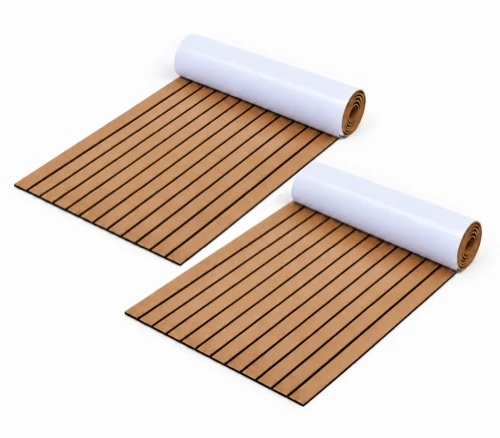
Start by Naming the Customer's Goal
"Match it" can mean several different things. One customer may only want a small repair piece that looks reasonably close from a normal viewing distance. Another may be trying to retain the appearance of a full cockpit. A third may be looking for a similar texture while intentionally changing the color. These are not the same request, and they should not follow the same store workflow.
Ask the customer to describe the intended result in plain language. Is the goal a small patch, a replacement panel, a larger deck refresh, or a new material choice inspired by the old floor? Record that answer before comparing colors. It tells the team whether visual similarity, material format, fit, or a full replacement path is likely to matter most.
When the request has grown beyond a repair piece, the replacement guide is a better next step. It covers the wider project questions that a simple pattern-match conversation cannot resolve.
Collect Evidence Before Offering a Match
The most useful store record combines more than one kind of evidence. A customer photograph is helpful, but it should not be treated as a color standard. Ask for a small physical offcut only if the customer can provide it safely and it is genuinely representative of the installed material. If that is not possible, ask for a set of photos rather than one close-up.
For a photo-based request, collect images that show:
- the flooring in its surrounding boat area;
- a close view of the visible pattern or grooves;
- a straight-on view without heavy shadow where possible;
- the edge, seam, or cut line if the request is for a patch; and
- a reference object only when it helps show the scale of the area.
Record when the photos were taken and whether the material is wet, dirty, sun-faded, or partly covered. These notes do not make the evidence perfect. They prevent the next person from mistaking a weathered image for a controlled material reference.
Separate Color, Texture, Pattern, and Format
Customers often use one word-such as "brown," "teak," or "striped"-to describe several visible features. A careful store intake breaks the request into separate fields. Color, surface texture, groove or pattern direction, backing visibility, material thickness, and product format should each be recorded as their own question.
For example, a photo may suggest a tan surface with dark linear grooves. It does not establish whether a current material is the same construction, whether the groove direction should follow the old layout, or whether the customer needs a sheet, a cut piece, or a custom kit. Treat each unresolved point as unresolved.
The color and texture selection guide helps when the customer is choosing a future appearance. It should not be used to imply that a visually similar option is an exact duplicate of an unknown existing floor.
Compare in a Consistent Viewing Context
If the store presents samples, compare them in a simple, repeatable context. Place the customer's reference and candidate samples beside one another, note the lighting conditions, and look at the overall color as well as the surface relief. Avoid declaring a match from an isolated screen image or a quick glance under a single display light.
The language used at the counter matters. Say that a sample can help assess visible similarity, not that it proves a replacement will blend perfectly after installation. Existing material may have changed with age, exposure, cleaning, or use. A new piece can appear different when first placed next to a worn deck even when the buyer considers it an acceptable practical choice.
When the customer needs to compare actual material rather than photos, route the conversation to the sample kit guide. Confirm what is available for the specific inquiry instead of implying that every color or texture is on hand.
Ask What Will Be Cut, Kept, and Replaced
Pattern matching alone does not answer the fit question. For a patch request, the team should ask where the existing material will be cut, whether a border or seam will remain visible, and who will measure, trim, and install the piece. A small patch near a hatch, hardware opening, curved edge, or changing groove direction may need more review than a simple rectangular area.
Do not convert a photo into a cutting instruction. If a customer needs a shaped replacement, record the requested area, the available measurements or template status, and who owns each next action. A customer-provided estimate can be a starting point, but it is not a final fit approval.
The cut-to-size program guide is useful once the store has enough information to decide whether a cut-to-size path is appropriate. It is distinct from this intake: first establish what is being matched; then determine how the material will be supplied or cut.
Make the Store's Match Boundary Clear
A good intake record protects both the customer and the store when it distinguishes observed facts from open questions. For example, "customer supplied a photo of tan flooring with dark linear grooves" is an observation. "replacement will be an exact color match" is a promise that the evidence does not support.
Use a short written boundary before any quote or order discussion:
- Identify the evidence received: photos, an offcut, measurements, or a drawing.
- State whether the request is for a similar appearance, a repair patch, or a full replacement.
- List the features confirmed by the customer and those still open.
- Note that sample comparison is recommended when visual continuity is important.
- Escalate any custom cutting, template, or fit decision for project-specific confirmation.
This is not overly cautious sales language. It gives customers a clear choice: proceed with a similarity-based material decision, provide more evidence, or move into a fuller replacement workflow.
Build a Clean Handoff When the Inquiry Escalates
Some requests will move beyond the counter. The staff member who first receives the photos should not have to recreate the entire conversation later. Create a short handoff record with the customer's goal, boat area, evidence file names, visible characteristics, requested material format, measurement status, and unresolved decisions.
For a broader first-contact workflow, link the record to the boat flooring customer intake guide. If old material must be removed before the scope can be understood, the removal checklist gives context for documenting the area without treating the removal as a simple cosmetic step.
Avoid adding unsupported technical conclusions to the handoff. The store can describe what is visible and what the customer wants. It should not infer adhesive condition, material performance, an old product specification, or a final cutting plan from a photo.
A Practical Request to Send to XYF Marine
When contacting XYF Marine about a pattern-match or replacement inquiry, provide the customer's intended result, photos or a physical reference if available, the visible color and texture description, boat area, desired material format, approximate dimensions if known, and any open fit or cutting questions. XYF Marine can review the information provided and identify what still needs confirmation before sampling, quotation, or project preparation.
FAQ
Can a marine supply store promise an exact match from a photo?
No. A photo can begin a comparison, but it can be affected by lighting, wear, and camera processing. Describe the result as a visual comparison until the relevant reference and sample have been reviewed.
Is a small old piece enough to identify replacement flooring?
It can be useful evidence, but it may be worn, stretched, faded, or contaminated. Record where it came from and use it with photos and the customer's intended outcome rather than treating it as complete specification evidence.
What if the customer only needs a small repair patch?
Clarify the patch location, visible seam or edge, pattern direction, and who will measure and trim it. A small request can still involve a fit or appearance decision that needs more evidence.
When should the store move a request into a replacement project review?
Escalate when the request covers multiple deck zones, involves shaped pieces or hardware openings, requires a template or drawing, or depends on an appearance decision that cannot be responsibly made from the available evidence.