

When choosing flooring for your boat, comfort, durability, and environmental impact are key considerations. Common options include EVA foam boat flooring, PVC, and wood. But how do they compare in terms of performance and sustainability? Let's explore these materials with industry insights.
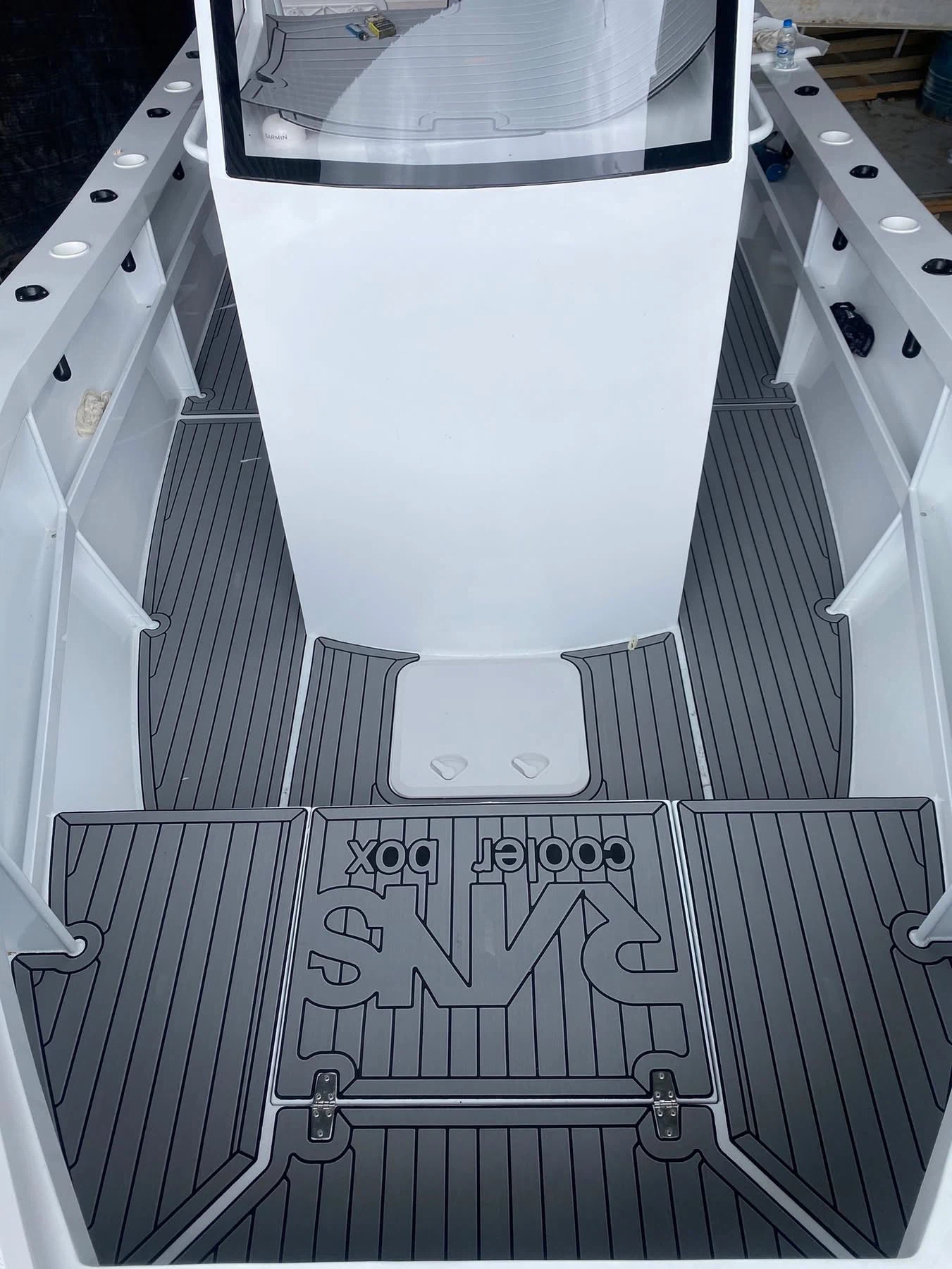
EVA Foam: Comfort and Sustainability
EVA foam marine flooring is increasingly popular due to its cushioned surface, making it comfortable for barefoot activities like fishing, lounging, or water sports. It provides excellent traction, even when wet, reducing slip risks.
From an environmental perspective, EVA foam from leading brands such as XYF Marine contains over 80% PE content, which is non-toxic, recyclable, and resistant to saltwater and UV degradation. This means eco-friendly EVA decking can last for years without chemical treatments or heavy maintenance.
Customization Advantages
Easily cut and shaped with CNC or laser etching
Available in a wide range of colors and textures
Supports custom EVA foam decking for logos, patterns, or brand personalization
Simple DIY marine flooring installation with adhesive backing or interlocking panels
PVC: Durability with Limitations
PVC boat flooring is known for its durability and waterproof properties. It handles heavy wear and traffic well, lasting longer in harsh conditions. However, PVC lacks the softness and anti-slip comfort of EVA foam, often requiring textured finishes for safety.
Environmentally, PVC has a mixed profile. Some products incorporate recycled material, but recycling PVC itself remains difficult due to chemical additives.
Drawbacks of PVC Flooring:
Higher cost compared to EVA
Limited customization options
Susceptible to UV degradation and cracking over time
Wood: Classic but Less Eco-Friendly
Teak and cedar decking bring traditional aesthetics but with heavy trade-offs. Wood requires constant maintenance-oiling, sanding, and sealing-to prevent rot, mold, and insect damage.
Environmentally, hardwood harvesting (e.g., ipe or teak) raises deforestation concerns, and chemically treated woods may leach harmful substances into water systems. Even with FSC-certified sustainable sources, wood remains expensive and resource-intensive.
Disadvantages of Wood Decking:
High cost and inconsistent quality (warping, cracking)
Heavy, harder to install/remove compared to synthetic materials
Less eco-friendly due to unsustainable sourcing and chemical use
The Verdict: EVA as the Balanced Choice
For boat owners prioritizing comfort, customization, and sustainability, EVA foam boat flooring stands out. It offers:
Superior barefoot comfort and non-slip boat mats safety
Wide customization possibilities for unique marine designs
Eco-friendly properties with recyclable and non-toxic components
Affordable cost compared to PVC and wood alternatives
While PVC excels in heavy-duty durability, its environmental drawbacks and price make it less appealing. Wood, though classic, is increasingly unsustainable and high-maintenance. For a balance of performance, safety, and eco-responsibility, EVA marine decking is the smart choice.
FAQs About EVA vs Other Decking Materials
1. Is EVA foam boat flooring eco-friendly?
Yes. EVA marine decking is non-toxic, recyclable, and requires fewer chemical treatments compared with PVC and wood.
2. How does EVA foam compare in comfort to wood or PVC?
EVA foam is softer and provides more cushioning, making it ideal for barefoot use, while wood and PVC are harder underfoot.
3. Which material lasts the longest: EVA, PVC, or wood?
PVC often lasts longest in harsh, high-traffic conditions, but EVA offers the best balance of durability, comfort, and easy maintenance.
4. Why is wood less eco-friendly for marine flooring?
Wood requires constant maintenance and may involve unsustainable harvesting. Treated wood can also leach chemicals into the environment.
5. Can EVA foam be customized more than PVC or wood?
Yes. Custom EVA foam decking allows laser-cut logos, textures, and patterns, which are not possible with PVC or traditional wood.
6. Does EVA foam require special maintenance?
No. Just rinse with soap and water. Unlike wood, EVA does not need sealing or oiling, and unlike PVC, it resists UV cracking.
7. Is EVA foam more cost-effective than teak or PVC?
Yes. EVA boat flooring offers better value by combining affordability, comfort, and eco-friendliness compared to teak's high cost and PVC's limited flexibility.